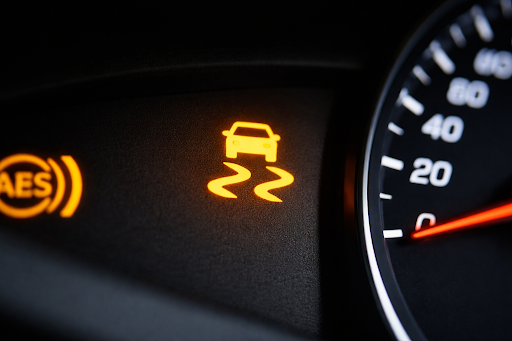
The traction control light is one of those dashboard indicators many drivers notice but do not fully understand. When this light comes on, it can cause confusion or concern. In this article, we will explore what the traction control light means, why it appears, how the system works, common issues, and steps you can take to address it. By the end, you should feel confident reading your dashboard and understanding what actions to take when this light is activated.
What Is the Traction Control Light?
The traction control light is a warning indicator on your vehicle’s dashboard that relates to the traction control system (TCS). Traction control is a safety feature built into modern vehicles to help maintain stability. It works by monitoring the speed of each wheel and reducing wheel spin when traction is lost. This is especially important in slippery conditions such as rain, snow, or gravel.
When traction control detects that one or more wheels are spinning faster than they should, it engages by reducing engine power or applying brakes to those wheels. The light may blink during this process, signaling that the system is actively working.
The traction control light can also remain illuminated continuously if the system detects a fault. In those cases, it warns the driver that the system may not function properly.
How the Traction Control System Works
To understand why the traction control light appears, it helps to know the basics of how the system functions.
Sensors and Control Units
The traction control system relies on several sensors, including:
- Wheel Speed Sensors: These monitor the speed of each wheel and send data to the vehicle’s computer.
- Yaw Rate Sensors: These detect whether the vehicle is moving straight or beginning to skid.
- Steering Angle Sensors: These help determine the driver’s intended direction.
All of this information is processed by the vehicle’s control unit. If the system detects that a wheel is spinning excessively compared to others, it interprets this as a loss of traction and intervenes.
How the System Intervenes
When traction is lost, the system can:
- Reduce engine power to limit wheel spin.
- Apply braking force to the spinning wheel to restore traction.
During this process, the traction control light may blink. This blinking is normal and indicates that the system is active.
Why the Traction Control Light Comes On
The traction control light can appear for several reasons. Understanding these causes can help you determine whether the light is simply informing you of active TCS function or alerting you to a problem.
Slippery Road Conditions
One of the most common and non-problematic reasons the traction control light appears is when your vehicle is driving on slippery surfaces. In these situations, the system may activate frequently to maintain traction. You might see the light blink on and off repeatedly.
This is normal behavior. The traction control light in this case is not indicating a fault but showing that the system is assisting you.
Wheel Speed Sensor Issues
If a wheel speed sensor malfunctions, the traction control system may not be able to accurately read wheel speeds. Faulty data can trigger the traction control light to remain illuminated.
Damaged sensors, corroded connectors, or wiring issues can all cause sensor failure.
ABS or Brake System Problems
The traction control system often shares components with the anti-lock braking system (ABS). A problem in the ABS can sometimes trigger the traction control warning light.
For example, low brake fluid or worn brake pads can affect system performance and cause the light to come on.
Faulty Steering or Yaw Sensors
Steering angle and yaw sensors play a role in understanding vehicle movement and stability. If these sensors provide incorrect readings, the traction control system may detect an error and trigger the warning light.
Electronic Control Unit (ECU) Faults
The vehicle’s computer, or ECU, manages the traction control system. If the ECU detects an internal issue or communication error between components, it may illuminate the traction control light.
In such cases, a diagnostic scan with an OBD-II scanner is often required to pinpoint the exact fault.
Flashing vs. Solid Traction Control Light
Understanding whether the traction control light is blinking or solid can help you determine the situation.
Flashing Light
A flashing traction control light typically means the system is actively working. For example, if you are driving on a wet surface and the wheels slip slightly, the system engages and the light blinks to indicate activity.
In this case, you usually do not need to take immediate action unless the light stays on continuously after driving on normal surfaces.
Solid Light
A solid traction control light that stays on without blinking typically suggests a malfunction or fault within the system. This could be due to a sensor issue, wiring problem, or another component failure.
A solid light often means that the traction control system is disabled or not functioning as intended until the issue is resolved.
Is It Safe to Drive With the Traction Control Light On?
Whether it is safe to drive with the traction control light on depends on the cause.
Temporary Activation
If the light is blinking while the system assists on slippery surfaces, then driving is generally safe. The system is simply doing its job to help maintain traction.
Persistent Solid Light
If the traction control light remains solid and does not go off, this usually means a fault. Although basic vehicle operation may still be possible, driving without a functioning traction control system reduces stability assistance. This is especially risky in poor weather conditions where traction is compromised.
In these cases, it is advisable to have the vehicle inspected by a mechanic as soon as possible.
How to Reset the Traction Control Light
Resetting the traction control light will depend on the cause. Here are some general steps that may help:
Restart the Vehicle
Sometimes, a temporary glitch or sensor miscommunication can cause the light to appear. Turning off the engine and restarting the vehicle may reset the system.
Check and Repair Sensors
If the light remains on consistently, have a professional check the wheel speed sensors, yaw sensors, and steering angle sensors. Cleaning, repairing, or replacing faulty sensors can resolve the issue.
Use an OBD-II Scanner
Diagnostic tools like an OBD-II scanner can read error codes stored in the vehicle’s computer. These codes help identify the exact cause of the warning light. Some scanners also allow you to clear the codes, which can reset the light. However, if the underlying issue is not fixed, the light may come back.
Professional Inspection
Persistent traction control warnings are best evaluated by a qualified mechanic. They can perform a full diagnostic and recommend the right repairs.
Preventive Measures to Avoid Traction Control Issues
Keeping your vehicle in good condition can help prevent traction control light issues.
Regular Maintenance
Routine servicing, including brake and sensor checks, can reduce the chances of traction control system problems.
Maintain Proper Tire Condition
Tire wear or uneven tire pressure can affect traction and sensor readings. Regularly check tire tread and pressure.
Avoid Rough Driving Conditions When Possible
While the system is designed to help, avoiding very slippery or uneven surfaces can reduce the frequency of system activation and potential faults.
Conclusion
The traction control light is an important dashboard indicator that helps ensure vehicle stability and safety. Understanding what it means, why it appears, and how the traction control system functions can help you make informed decisions about driving and maintenance.
If the light flashes during slippery conditions, it usually means the system is working correctly. If the light stays on continuously, it may indicate a fault that requires attention. Regular maintenance and professional diagnostics can help keep your traction control system functioning properly.
By recognizing and responding appropriately to the traction control light, you can maintain safer driving conditions and avoid more serious vehicle issues down the road.