Getting a tattoo is an exciting way to express yourself, but it comes with responsibility. Proper care is essential to ensure your tattoo heals well and looks vibrant for years. Many people ask, “how long does it take for a tattoo to heal?” The answer isn’t one-size-fits-all—it depends on your skin, tattoo size, location, and aftercare. In this guide, we’ll explore the tattoo healing process, stages, and tips to make sure your tattoo recovers properly.
Understanding the Tattoo Healing Process
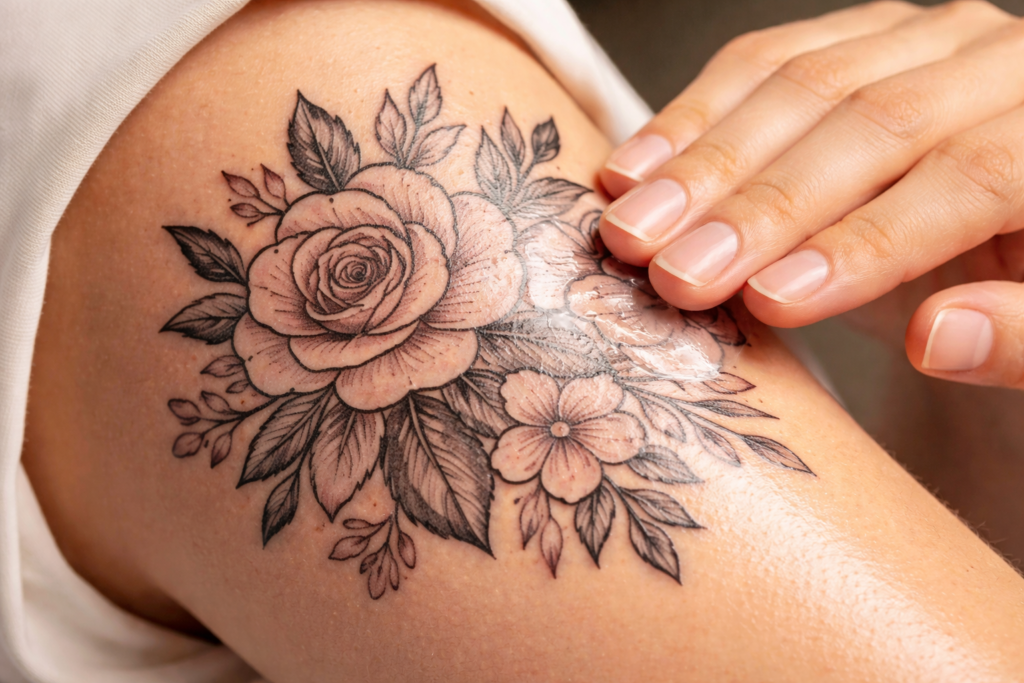
Tattoo healing is a natural process where your skin recovers after being punctured by ink-filled needles. Healing occurs in layers: the outer skin heals first, while deeper layers take longer to fully recover. Generally, a tattoo takes 2–4 weeks to heal on the surface, while complete internal healing can take up to 3 months. Knowing what to expect during each stage can help you manage your tattoo care effectively.
Stage 1: Initial Healing (Days 1–7)
The first few days after getting a tattoo are critical. During this period, your skin may feel sore, red, and slightly swollen. A thin layer of plasma and ink forms a protective scab over the tattooed area.
Tips for Stage 1 Healing:
- Gently wash your tattoo with lukewarm water and a mild, fragrance-free soap twice daily.
- Pat the area dry with a clean towel. Avoid rubbing.
- Apply a thin layer of recommended tattoo ointment to keep the area moisturized.
- Avoid scratching, picking, or rubbing the tattoo, even if it itches.
During this stage, your skin is highly sensitive, so proper hygiene is key to preventing infection.
Stage 2: Peeling and Flaking (Days 7–14)
By the second week, most tattoos start peeling and flaking. This is similar to how sunburned skin peels, and it’s a normal part of the healing process. Some areas may appear dull or slightly patchy as the dead skin flakes away.
Tips for Stage 2 Healing:
- Continue gentle cleaning twice daily.
- Moisturize lightly to prevent excessive dryness.
- Avoid soaking the tattoo in water, including baths, swimming pools, and hot tubs.
- Wear loose clothing to minimize friction on the tattooed area.
This stage can feel uncomfortable, but patience is essential. Picking at peeling skin can cause scarring and affect the tattoo’s appearance.
Stage 3: Settling and Surface Healing (Weeks 2–4)
After the peeling phase, your tattoo begins to settle. The surface looks smoother, colors appear brighter, and the itching typically decreases. While the tattoo looks mostly healed, the skin underneath is still repairing itself.
Tips for Stage 3 Healing:
- Keep moisturizing daily.
- Protect your tattoo from direct sunlight. UV exposure can fade colors.
- Avoid tight clothing that may rub against the tattoo.
- Refrain from scratching or applying harsh products.
At this stage, your tattoo is visually healed, but deep layers of skin are still recovering.
Stage 4: Deep Skin Healing (Weeks 4–12)
Full healing occurs internally over several weeks. Even though your tattoo looks healed, the deeper layers of skin are still repairing. This stage is crucial for maintaining the longevity and vibrancy of your tattoo.
Tips for Stage 4 Healing:
- Continue to protect your tattoo from sun exposure.
- Apply sunscreen when your tattoo is exposed to sunlight.
- Avoid activities that might irritate the tattoo, such as excessive friction or harsh chemical products.
- Monitor for unusual fading, bumps, or redness, which could indicate complications.
By the end of this stage, your tattoo should be fully healed and ready to last for years.
Factors That Affect Tattoo Healing Time
Not all tattoos heal at the same pace. Several factors can influence how quickly your tattoo recovers.
Tattoo Size and Location
- Small tattoos generally heal faster than large, intricate pieces.
- Areas with less movement, such as the upper arm, tend to heal faster than joints like elbows or knees.
Skin Type
- Dry or sensitive skin may require extra care.
- People with naturally oily skin might experience slower peeling.
Aftercare Routine
- Proper cleaning and moisturizing speed up healing.
- Using recommended products avoids irritation and infection.
Lifestyle Factors
- Smoking and excessive alcohol can slow healing.
- Poor nutrition or dehydration may affect skin recovery.
Understanding these factors helps you adjust your expectations and aftercare for the best results.
Common Tattoo Healing Problems
Even with proper care, some issues may arise during healing.
- Excessive Redness or Swelling: Could indicate infection. Consult a professional if symptoms worsen.
- Scabbing or Hard Scabs: Picking at scabs can lead to permanent marks or ink loss.
- Fading: Exposure to sunlight or improper aftercare can make your tattoo lose vibrancy.
- Allergic Reactions: Rarely, tattoo inks can cause reactions, resulting in prolonged healing or irritation.
Prompt attention to these issues prevents complications and ensures your tattoo heals smoothly.
Tattoo Aftercare Tips for Faster Healing
Following a proper aftercare routine is essential to minimize healing time and prevent complications.
- Clean gently: Wash your tattoo twice daily with mild soap and lukewarm water.
- Moisturize regularly: Use fragrance-free tattoo ointments or creams.
- Avoid picking or scratching: Let peeling skin come off naturally.
- Protect from the sun: Apply sunscreen once your tattoo is fully healed.
- Avoid soaking in water: Pools, hot tubs, and baths can introduce bacteria.
- Wear loose clothing: Reduce friction and irritation during the healing process.
- Stay healthy: Hydrate, eat nutritious food, and avoid smoking to promote skin recovery.
When to Consult a Professional
Even with careful aftercare, consult your tattoo artist or a healthcare professional if you notice:
- Severe pain or swelling that doesn’t improve
- Pus or foul-smelling discharge
- Persistent redness or inflammation
- Unusual itching or rash
Early intervention prevents serious infections and ensures your tattoo remains beautiful.
Conclusion
So, how long does it take for a tattoo to heal? The outer layer of skin usually heals in 2–4 weeks, while deeper layers may take up to 3 months. Healing time depends on tattoo size, placement, your skin type, and proper aftercare. By following the right routine, protecting your tattoo, and paying attention to your skin, you can ensure your tattoo heals beautifully and remains vibrant for years to come.
Remember, patience is key. Rushing the healing process or neglecting aftercare can lead to fading, scarring, or infections. Take your time, follow these guidelines, and enjoy your new artwork safely.