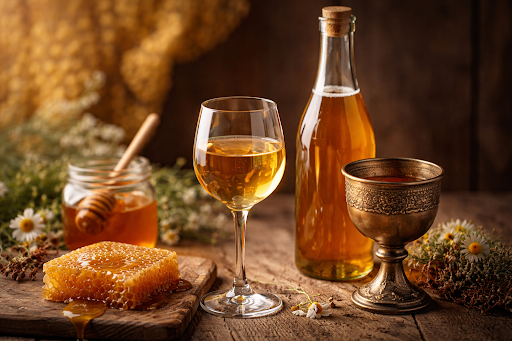
Honey wine and mead are two of the oldest fermented drinks known to humanity. For thousands of years, people across different cultures have brewed these sweet, golden beverages using honey, water, and sometimes fruits or spices. Today, both honey wine and mead are enjoying a revival, appreciated for their rich flavors, unique aromas, and cultural significance. If you’ve ever been curious about what makes these drinks so special, this guide will take you through everything you need to know—from history and types to benefits and tasting tips.
What Are Honey Wine and Mead?
At first glance, honey wine and mead may seem similar because both are made by fermenting honey. However, there are subtle differences that make each unique.
Honey Wine:
Honey wine is a sweet alcoholic beverage made primarily from honey and water. It can sometimes include fruits or spices, but it’s generally simpler than mead. Honey wine is typically smoother and sweeter, with a lower alcohol content ranging between 8% and 14% ABV (alcohol by volume). It’s often served chilled, making it a refreshing drink for social occasions or quiet evenings at home.
Mead:
Mead is considered the “original” honey-based alcoholic drink. It is created by fermenting honey with water and yeast, but mead comes in many styles. Unlike honey wine, mead can be dry, semi-sweet, or sweet, and its alcohol content can vary widely from 5% to 20% ABV. Traditional mead consists only of honey, water, and yeast, but variations often include fruits, spices, or even grains.
A Brief History of Honey Wine and Mead
Both honey wine and mead have ancient origins. Archaeological evidence suggests that mead was being made as early as 7000 BCE in China. Ancient civilizations in Europe, Africa, and the Middle East also brewed honey-based drinks, using them for religious ceremonies, medicinal purposes, and celebrations.
In medieval Europe, mead was often called the “drink of the gods” because of its association with feasts and royalty. Honey wine, being slightly simpler and sweeter, was enjoyed in everyday life. Over time, grape wines became more popular, but honey wine and mead never completely disappeared. Today, craft brewers and enthusiasts around the world are reviving these beverages, experimenting with flavors and brewing techniques to bring them into modern drinking culture.
Types of Honey Wine and Mead
Both honey wine and mead come in several varieties, each offering distinct flavors and characteristics.
Traditional Honey Wine
This is the classic form of honey wine, made with honey, water, and yeast. It is typically sweet, lightly carbonated or still, and served chilled.
Traditional Mead
Traditional mead is made from honey, water, and yeast only. It’s usually dry or semi-sweet, with a rich, full-bodied flavor.
Melomel
Melomel is a type of mead made by fermenting honey with fruits such as apples, berries, or cherries. This variation adds natural acidity and fruity notes, making the drink more complex.
Metheglin
Metheglin is mead infused with spices or herbs, such as cinnamon, cloves, or ginger. This style is popular for its warming and aromatic qualities.
Cyser
Cyser is a hybrid between mead and cider, made by fermenting honey with apple juice. It has a tangy, slightly tart flavor balanced with the sweetness of honey.
Pyment
Pyment is a mead made with grape juice and honey, combining the characteristics of wine and mead. It offers a familiar wine-like flavor with the added sweetness of honey.
Differences Between Honey Wine and Mead
Although honey wine and mead share a common ingredient—honey—there are differences in taste, complexity, and brewing style.
| Feature | Honey Wine | Mead |
| Base Ingredients | Honey and water | Honey, water, sometimes fruits/spices |
| Sweetness | Usually sweet | Can range from dry to sweet |
| Alcohol Content | Moderate (8–14% ABV) | Wide range (5–20% ABV) |
| Complexity | Simpler, fewer variations | Multiple styles and flavor profiles |
Think of honey wine as a simpler, sweeter subset of mead, perfect for those new to honey-based drinks. Mead, with its broader range of flavors and styles, offers something for every palate, from dry and crisp to rich and aromatic.
Health Benefits of Honey Wine and Mead
While these drinks are primarily enjoyed for their taste, honey wine and mead offer some potential health benefits due to their natural ingredients:
- Rich in Antioxidants: Honey contains antioxidants, which can help reduce oxidative stress in the body.
- Digestive Aid: Fermented honey drinks may support gut health by introducing beneficial bacteria.
- Energy Boost: Honey’s natural sugars can provide a gentle energy lift.
- Antimicrobial Properties: Raw honey may have antibacterial properties that support overall wellness.
Note: These drinks still contain alcohol, so moderation is important. Excessive consumption can offset any potential health benefits.
How to Taste Honey Wine and Mead
Tasting honey wine and mead is an experience in itself. Here are some tips to help you appreciate the flavors fully:
- Observe the Color: Hold the glass against the light to notice the golden hues, ranging from pale yellow to deep amber.
- Swirl and Smell: Gently swirl the glass and inhale the aroma. You may detect floral, fruity, or spicy notes.
- Sip Slowly: Take small sips to appreciate the balance between sweetness, acidity, and alcohol.
- Pair With Food: Honey wine pairs well with desserts and soft cheeses, while mead complements roasted meats, nuts, and aged cheeses.
Making Honey Wine and Mead at Home
For hobbyists, brewing honey wine or mead at home can be both fun and rewarding. Here’s a simple overview of the process:
Ingredients:
- Honey (1–2 pounds per gallon)
- Water
- Yeast (wine or mead yeast)
- Optional: fruits, spices, or herbs
Basic Steps:
- Mix honey and water thoroughly.
- Add yeast and any optional flavorings.
- Allow fermentation for 4–12 weeks, depending on desired sweetness and strength.
- Bottle and let it age for an additional few weeks to develop flavor.
Tip: Patience is key. Mead often tastes smoother and richer after aging.
Modern Popularity and Uses
In recent years, mead and honey wine have gained popularity in craft beverage circles. Many breweries and homebrewers experiment with innovative recipes, using exotic spices, seasonal fruits, and even oak aging techniques. Honey wine and mead are no longer niche drinks—they are enjoyed at festivals, weddings, and even modern cocktail bars.
They also make great gifts due to their unique history and flavors. A well-crafted bottle of honey wine or mead can be a memorable present for friends and family who enjoy artisanal beverages.
Conclusion
Honey wine and mead are more than just alcoholic drinks—they are a journey through history, culture, and flavor. From the simple sweetness of honey wine to the diverse styles of mead, there is a honey-based beverage for every taste. Whether you’re sipping a chilled glass at home, exploring craft variations, or trying your hand at home brewing, these golden drinks offer a delicious connection to ancient traditions and modern enjoyment.
By understanding their history, varieties, and tasting techniques, you can truly appreciate why honey wine and mead continue to enchant drinkers around the world.