Microneedling has become one of the most sought-after treatments in the world of skincare, promising noticeable improvements for acne scars, fine lines, and uneven skin texture. If you’ve been curious about what results look like, understanding microneedling before and after effects is essential. This article will guide you through the process, results, preparation, aftercare, and realistic expectations.
What Is Microneedling?
Microneedling, also known as collagen induction therapy, is a minimally invasive skincare procedure that uses tiny needles to create micro-injuries in the skin. These controlled injuries stimulate your body’s natural healing process, prompting the production of collagen and elastin.
The treatment can improve:
- Acne and surgical scars
- Fine lines and wrinkles
- Large pores and uneven texture
- Stretch marks and hyperpigmentation
Unlike more aggressive treatments, microneedling is suitable for various skin types and can be customized according to individual needs.
How Microneedling Works
During the procedure, a professional uses a device equipped with fine needles to puncture the skin. This process might sound intense, but the tiny needles are superficial and the treatment is generally well-tolerated.
The controlled micro-injuries trigger the body to:
- Increase collagen production
- Stimulate elastin formation
- Accelerate skin repair and regeneration
As a result, your skin gradually becomes smoother, firmer, and more radiant.
Microneedling Before and After: What to Expect
One of the most common questions is how your skin will look before and after microneedling. Results can vary depending on skin type, the severity of concerns, and the number of sessions.
Immediate Effects
Right after a session, it’s normal to notice:
- Redness similar to mild sunburn
- Slight swelling or tenderness
- Sensitivity in treated areas
These effects usually subside within 24–48 hours. Applying a gentle moisturizer and avoiding makeup can help soothe the skin.
Short-Term Results (1–2 Weeks)
Within a week or two, your skin may start to feel smoother and look more hydrated. Minor improvements in tone and texture can be noticed. Any redness or sensitivity should have mostly disappeared by this time.
Long-Term Results (4–6 Weeks)
The most visible changes typically appear after four to six weeks:
- Acne scars become less noticeable
- Fine lines begin to soften
- Skin texture improves, appearing firmer and more radiant
For optimal results, dermatologists often recommend multiple sessions spaced about 4–6 weeks apart.
Preparing for Microneedling
Proper preparation ensures you get the best possible outcome and minimizes side effects.
Steps to Prepare
- Avoid Sun Exposure: Limit direct sun exposure for at least a week before treatment.
- Stop Certain Products: Discontinue retinoids, chemical peels, or exfoliating acids a few days before your session.
- Avoid Blood Thinners: Medications like aspirin can increase bruising. Consult your doctor before pausing any prescriptions.
- Cleanse Your Skin: Arrive with a clean face, free of makeup or skincare products.
By following these steps, your skin will be ready for the procedure, reducing the risk of complications and enhancing results.
Microneedling Aftercare
Taking care of your skin after microneedling is crucial to achieving amazing before and after results.
Key Aftercare Tips
- Avoid Makeup for 24 Hours: This prevents irritation and infection.
- Use Gentle Skincare Products: Stick to mild cleansers and moisturizers.
- Protect Your Skin from the Sun: Apply SPF daily to prevent pigmentation issues.
- Avoid Hot Showers or Saunas: Heat can worsen redness and swelling.
Following proper aftercare will help your skin heal faster and enhance the visible improvements from your microneedling sessions.
Real Microneedling Before and After Results
Microneedling results can be impressive, but it’s important to have realistic expectations. Multiple sessions are often needed for significant changes. Factors that influence results include:
- Skin type and elasticity
- Severity of acne scars, wrinkles, or hyperpigmentation
- Number of sessions and needle depth used
- Consistency with aftercare and sun protection
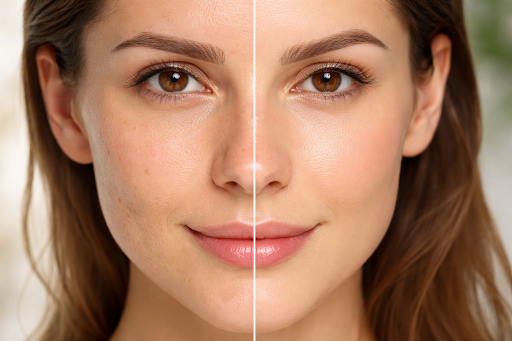
Patients often report smoother skin, reduced appearance of scars, and a more youthful complexion. Before-and-after photos show a gradual improvement that enhances the natural beauty of the skin rather than creating an artificial look.
Possible Side Effects and Risks
Microneedling is generally safe when performed by a licensed professional, but minor side effects can occur:
- Temporary redness and swelling
- Mild bruising or pinpoint bleeding
- Flaking or dry skin for a few days
Serious complications are rare, but they can include infection or hyperpigmentation if aftercare instructions are not followed. Choosing a certified and experienced provider reduces these risks significantly.
Microneedling vs Other Treatments
Many people compare microneedling with other skin rejuvenation methods:
- Chemical Peels: Target superficial layers of the skin; microneedling works deeper to stimulate collagen.
- Laser Treatments: Effective for severe scarring and pigmentation but may require longer recovery times.
- Dermabrasion: Aggressive exfoliation; microneedling is less invasive with shorter downtime.
Microneedling offers a balance of effectiveness, safety, and minimal downtime, making it ideal for most people looking to improve skin texture naturally.
How Many Sessions Are Needed?
While some people see subtle improvements after a single session, the best results usually require multiple treatments. On average:
- Mild skin concerns: 3–4 sessions
- Moderate to severe scars or wrinkles: 6–8 sessions
Spacing sessions 4–6 weeks apart allows your skin to heal and collagen to build, maximizing long-term benefits.
Conclusion
Microneedling is a safe and effective way to rejuvenate your skin and tackle concerns like acne scars, fine lines, and uneven texture. Understanding microneedling before and after results helps set realistic expectations and encourages commitment to proper preparation and aftercare.
With consistent sessions, professional guidance, and appropriate home care, the transformation can be remarkable — smoother, firmer, and healthier-looking skin is achievable without invasive procedures.
If you are considering microneedling, consult a certified dermatologist or skincare professional to determine the right treatment plan for your skin type and concerns.