Traveling to the United States with an H1B visa extension can be stressful, especially when you encounter unexpected issues at the airport. One of the most worrying situations for H1B visa holders is a denial of entry at the airport, even when their extension has been approved by USCIS. Understanding why these denials happen and how to respond can save time, money, and unnecessary stress.
What Is H1B Extension Denial at Airport Entry?
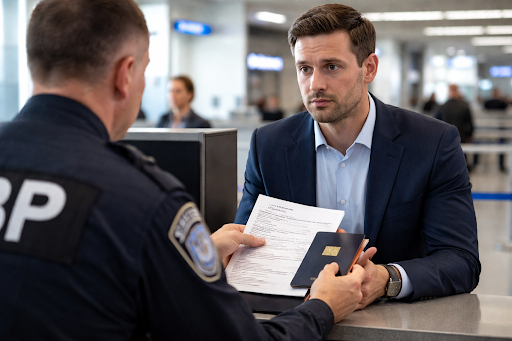
An H1B extension denial at airport entry occurs when a visa holder presents themselves at a U.S. port of entry and is refused admission despite having an approved H1B extension petition. This situation is different from a visa denial by USCIS, as the petition itself might be approved, but the Customs and Border Protection (CBP) officer determines that the traveler does not meet entry requirements at that time.
In most cases, this denial is temporary, and the individual may have options to enter the U.S. later. However, immediate action is essential to avoid prolonged legal or employment complications.
Common Reasons for H1B Extension Denial at Airport Entry
Understanding why denials happen can help H1B visa holders prevent them. Here are the most common reasons:
1. Pending or Incomplete H1B Extension Processing
Even if your H1B extension petition is filed, you may be denied entry if the visa stamp in your passport does not reflect the extension. CBP officers may be cautious about admitting travelers whose visa dates do not match their approved petitions.
2. Missing or Inadequate Documentation
Failure to carry essential documents can result in entry denial. Common missing items include:
- Approved I-797 notice
- Employment verification letter
- Recent pay stubs
- Updated passport with H1B visa stamp
CBP officers may request proof of employment and status before granting entry.
3. Changes in Employer or Position
If you changed employers or job positions, and your extension was filed under a new employer, CBP may question eligibility. It is crucial to have documentation linking your H1B approval with your current employment.
4. Status Violations
If you have overstayed your previous H1B visa or have gaps in lawful status, entry may be denied regardless of extension approval. CBP strictly enforces compliance with U.S. immigration laws.
5. Administrative or Technical Errors
Sometimes denials are due to system errors or data mismatches in the CBP database. Even minor inconsistencies in spelling, dates, or previous travel history can trigger entry denial.
Immediate Steps After H1B Entry Denial
If you face denial at the airport, it is important to act calmly and follow proper procedures:
1. Cooperate With CBP Officers
Remain polite and answer all questions truthfully. Arguing with the officer can worsen the situation.
2. Request Written Explanation
Ask for Form I-515A or another written notice explaining the denial. This document can help your attorney assess the next steps.
3. Contact Your Employer or Immigration Attorney
Immediate consultation with your employer’s immigration counsel is critical. They can guide you on whether administrative review, reapplication, or travel to a U.S. consulate abroad is necessary.
4. Do Not Leave the Airport Premises Hastily
Leaving without guidance could complicate future entry attempts. CBP may have additional instructions for temporary holding or reapplication.
Options After H1B Extension Denial at Airport Entry
Being denied entry is stressful, but there are legal avenues to resolve the issue.
1. Reapply for a Visa Stamp Abroad
If your visa stamp does not match your approved H1B extension, you may need to schedule a visa interview at a U.S. consulate in your home country. Carry all supporting documents, including the I-797 approval notice, pay stubs, and employment letters.
2. Administrative Review
Some cases allow for administrative review with CBP or USCIS. This process may clarify data errors or discrepancies that caused the denial.
3. Alternative Travel Strategies
Depending on circumstances, temporary entry via other visa categories (like B-1/B-2) may be possible, but only under strict legal guidance. Attempting entry without proper counsel could result in long-term bans.
How to Prevent H1B Extension Denial at Airport Entry
Preparation is the best defense against denial. Here are key tips for H1B holders:
1. Keep All Documents Updated
Carry the I-797 approval notice, pay stubs, employment verification letters, and an updated passport with the current visa stamp.
2. Travel Only After Extension Approval
Avoid international travel while the H1B extension petition is pending, unless you have clear guidance from your immigration attorney.
3. Work With a Knowledgeable Immigration Attorney
A professional can review your documentation and advise on potential entry risks before you travel.
4. Maintain Accurate Travel and Employment Records
Ensure your past entry and exit dates, employer information, and status records are complete and accurate. CBP officers frequently verify these during inspection.
Real-World Examples
While experiences vary, here are anonymized scenarios illustrating H1B entry denial:
- Case 1: An H1B professional traveled while their extension petition was approved but visa stamp was not updated. Entry was denied, and they had to visit the U.S. consulate abroad to receive the updated stamp.
- Case 2: Another traveler changed employers and had a new H1B extension. They were initially denied at entry due to missing employer verification letters. After providing proper documentation, entry was granted on the next attempt.
These cases highlight the importance of preparing all documents and consulting legal guidance before travel.
FAQs
Can I enter the U.S. if my H1B extension is approved but not stamped?
Not always. CBP may deny entry because the visa stamp in your passport does not match the approved petition. Legal guidance is recommended.
What documents are essential to avoid H1B entry denial?
I-797 approval notice, recent pay stubs, employment verification letter, updated passport with H1B visa stamp.
Can I appeal a denial at the airport?
Some denials can be addressed through administrative review or by applying for a visa stamp abroad, but direct appeals at the airport are limited.
Conclusion
Facing an H1B extension denial at airport entry can be intimidating, but understanding the reasons and acting promptly can prevent long-term complications. Always ensure your documentation is complete, travel after proper approval, and consult a qualified immigration attorney for guidance. Preparation and knowledge are your best tools for smooth entry into the United States.