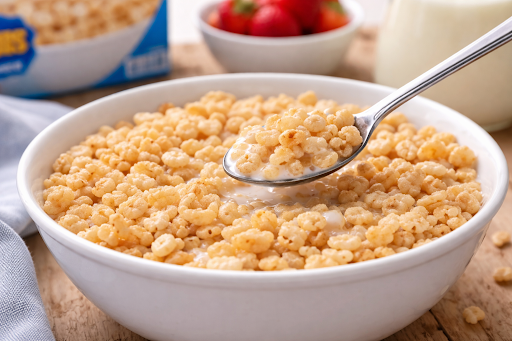
Rice Krispies are a beloved breakfast cereal enjoyed by millions of people around the world. Many people reach for them because they seem simple, light, and made primarily from rice — a grain that does not contain gluten. Despite this assumption, the question remains: are Rice Krispies gluten free? In this article, we will take a deep and clear look at what gluten is, how Rice Krispies are made, whether they are safe for people avoiding gluten, and what alternatives exist for those who cannot tolerate gluten. By the end, you will have a thorough understanding of this topic and be able to make informed choices.
What Is Gluten and Why Does It Matter?
Gluten is a type of protein found in certain grains, especially wheat, barley, and rye. It acts like a binding glue in doughs and helps make bread chewy. For most people, gluten is harmless. However, for people with celiac disease, gluten triggers an autoimmune response that damages the lining of the small intestine. This can lead to symptoms like stomach pain, bloating, fatigue, and long-term nutritional deficiencies. Some individuals also have non‑celiac gluten sensitivity, meaning they experience symptoms when consuming gluten even though they do not have celiac disease.
Because gluten can be hidden in many foods, especially processed ones, people who need to avoid it must carefully check ingredients and product labels. Cereals might seem simple, but they often contain additives sourced from grains that have gluten. This makes understanding the gluten content of foods like Rice Krispies critical for those on a gluten‑free diet.
How Rice Krispies Are Made
Rice Krispies cereal is primarily made from rice. During production, rice kernels are cooked, then flattened and toasted into small crispy pieces. So far, this sounds ideal for someone seeking gluten‑free cereal, since rice itself does not contain gluten. However, the process does not end with rice.
To enhance flavor and texture, manufacturers add additional ingredients to the rice. One of these is malt flavoring or malted barley extract. Malt is derived from barley, a grain that contains gluten. Even if present in small amounts, this barley‑derived ingredient introduces gluten into the finished product.
Because of this added malt flavoring, regular Rice Krispies are not gluten‑free. This may come as a surprise to many people who assume rice‑based foods are automatically safe for those avoiding gluten, but the key issue is the source of the malt ingredient and how it alters the gluten status of the cereal.
Are Regular Rice Krispies Gluten Free?
The short answer is no. Regular Rice Krispies cereal, as typically sold in many countries, is not gluten‑free. The inclusion of barley malt or malt flavoring means the cereal contains gluten. For people with celiac disease or significant gluten sensitivity, this makes regular Rice Krispies unsafe to eat.
This may also affect packaged foods that use Rice Krispies as an ingredient. For example, traditional Rice Krispies treats made from regular Rice Krispies cereal will also contain gluten due to the malt ingredient in the cereal. People who need to avoid gluten should not assume that rice‑based treats are gluten‑free unless specifically labeled that way.
For those with mild gluten sensitivity, occasional consumption of small amounts of gluten might seem tolerable, but there is no consistent safe level that applies to everyone. Even trace amounts of gluten can trigger symptoms in people with celiac disease. Therefore, it is important to always check labels rather than rely on assumptions based on ingredient names like “rice.”
Understanding Labeling and Gluten Content
Food labeling laws vary by country, but many regions require manufacturers to disclose common allergens and gluten sources on packaging. In the United States and many European countries, if a product contains ingredients that are derived from wheat, barley, rye, or a hybrid of these, it must be clearly indicated. However, simply listing “malt flavoring” may not immediately communicate to the average consumer that it comes from barley and contains gluten.
People who follow a gluten‑free diet should always look for one or both of the following on product packaging:
• A gluten‑free certification symbol from a recognized third‑party organization.
• A clear label stating “gluten‑free” in accordance with local food safety standards.
Products that are certified gluten‑free have been tested and shown to contain very low levels of gluten — typically less than 20 parts per million — which is the standard threshold in many countries for products labeled gluten‑free.
Gluten‑Free Versions and Alternatives
Because of the growing demand for gluten‑free products, many cereal manufacturers have created versions of puffed rice cereals that are specifically made without gluten ingredients. These gluten‑free cereals avoid the use of malt flavoring derived from barley and are produced in facilities that minimize cross‑contamination with gluten.
If you enjoy the texture and simplicity of Rice Krispies but are avoiding gluten, look for cereals that are explicitly labeled gluten‑free. These products are often made with certified gluten‑free rice and may use sugar, salt, or other flavorings that do not contain gluten.
In addition to gluten‑free puffed rice cereals, there are many other cereals suitable for a gluten‑free diet. These include cereals made from corn, quinoa, certified gluten‑free oats, amaranth, or millet. Each of these grains offers its own nutritional profile and flavor, giving consumers plenty of variety.
Can You Make Gluten‑Free Rice Krispies Treats?
Yes, you can make gluten‑free Rice Krispies treats by using a certified gluten‑free puffed rice cereal in place of regular Rice Krispies. The other common ingredients, such as marshmallows and butter, are naturally gluten‑free, although it is always important to check their labels for any added ingredients or possible cross‑contamination.
When preparing gluten‑free treats at home, follow these tips:
• Use a certified gluten‑free cereal as the base.
• Check that all additional ingredients are gluten‑free.
• Clean preparation surfaces and utensils to avoid cross‑contamination.
• Store treats separately from gluten‑containing foods.
By doing this, you can enjoy a classic treat without exposing yourself or loved ones to gluten.
Tips for People Avoiding Gluten
Avoiding gluten requires more than just skipping obvious sources like bread or pasta. Gluten can show up in unexpected places, including sauces, soups, snacks, and cereals. Here are some practical tips for navigating a gluten‑free diet:
• Read ingredient lists carefully. Do not assume foods based on rice or other gluten‑free grains are automatically safe.
• Look for gluten‑free certification. Third‑party testing and certification provide additional assurance of safety.
• Be aware of cross‑contamination. Foods processed in the same facility as gluten‑containing products might carry trace gluten.
• Use dedicated utensils and storage. If preparing gluten‑free meals in a kitchen shared with gluten‑containing foods, take steps to keep equipment and surfaces separate.
Conclusion
So, are Rice Krispies gluten free? The answer is no for the regular, widely sold version of Rice Krispies cereal, because it contains malt flavoring derived from barley — a source of gluten. For people with celiac disease or serious gluten sensitivity, consuming these can lead to discomfort or health issues.
However, gluten‑free versions of puffed rice cereals are available and suitable for those who need to avoid gluten. Always check the packaging to ensure products are certified gluten‑free, and be mindful of other ingredients or cross‑contamination risks.
Understanding the ingredients and reading labels carefully can make a significant difference in maintaining a safe and healthy gluten‑free diet. With the right information and choices, you can still enjoy delicious breakfasts and snacks while staying true to your dietary needs.