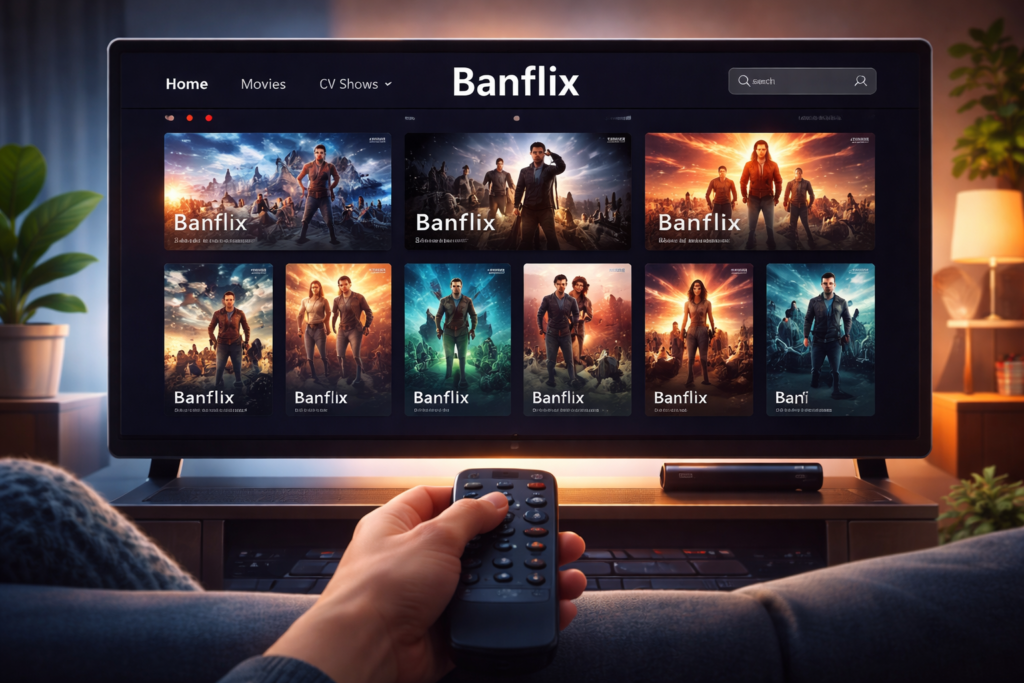
The term Banflix has gained attention as a keyword online, especially among people searching for free movie and TV streaming platforms. Despite its growing search interest, Banflix is not a well‑known or officially recognized service like popular streaming platforms. Instead, it is a name used for sites that claim to offer entertainment content online, and its usage points to a broader trend of unofficial streaming services. In this article, we explore what Banflix is, how it is perceived, its risks, and what people should understand before interacting with anything under this name.
What People Mean by “Banflix”
When people talk about Banflix, they are usually referring to one of two things:
- A website or platform that claims to stream movies, TV shows, or other video content for free.
- A general term used online to describe a streaming site that has become inaccessible or shut down due to legal problems.
There is no single clearly established corporate entity behind Banflix as there is with licensed services such as Netflix or Amazon Prime Video. Rather, the name appears across multiple sites and references that vary widely in safety, legality, and content.
How Banflix‑Type Sites Operate
Sites associated with the Banflix name typically function as web‑based streaming directories that link users to video content hosted elsewhere. In many cases, this content is not officially licensed from content creators or studios. The platforms may scrape links or embed videos sourced from other, third‑party servers. This allows them to present a large library of movies or shows without paying for licensing rights.
Users often access these platforms through a web browser, and some providers even distribute APK files (installable apps for Android) outside of official app stores like Google Play or the Apple App Store. While this can seem convenient, it also eliminates the safety standards and review processes that reputable platforms enforce.
Popularity and Appeal
There are several reasons why websites associated with the Banflix name attract attention:
- They claim to offer free streaming without a subscription, which appeals to users who find paid services expensive.
- They host a broad range of content that users might find difficult to get for free elsewhere.
- People share links to these sites in social media threads or forums, driving more traffic.
This combination of ease of access and perceived value explains why such platforms gain visibility, especially among audiences that are price‑sensitive or looking for content unofficially.
Legal and Ethical Considerations
One of the most important aspects to understand about Banflix‑type sites is their legal status. In most countries, streaming or distributing content without proper permissions from rights holders is considered a form of copyright infringement. Many of these sites make available movies and shows that they do not own or license, which means that accessing them could violate local intellectual property laws.
Legal frameworks vary by jurisdiction. Some countries impose fines for sharing or downloading copyrighted media, and internet service providers may block access to these sites as part of copyright enforcement actions. Even where individual users are unlikely to face prosecution, using unauthorized content can contribute to wider issues affecting creative industries.
In addition to legal concerns, there is an ethical debate around supporting content creators. When platforms avoid paying licensing fees, the financial compensation that goes to filmmakers, actors, and production teams is undermined.
Safety Risks and Security Concerns
Another major issue with websites labeled as Banflix is security risk. Unlike licensed streaming services, many unofficial platforms do not implement strong protections against malicious software or intrusive advertising. Several risk factors have been associated with these sites:
- They can contain malware or malicious ads that install software on devices without the user’s consent.
- Users may encounter pop‑ups or redirects, which are common tactics used to lure clicks that generate ad revenue or deliver hidden downloads.
- Since many of these sites lack clear privacy policies, user data such as IP addresses or browsing habits may be tracked or shared without consent.
Some analyses of Banflix‑type domains have even found very low trust scores or indications that the site may not be trustworthy. These findings suggest that interacting with such platforms could expose users to scams or unsafe content.
Content Quality and Reliability
Even when these sites are accessible, the quality and reliability of streaming content can be poor. Users frequently report buffering issues, broken links, or low video resolution. Because these platforms rely on third‑party sources that may go offline or be taken down, the availability of specific movies or shows can change without warning.
Additionally, some versions of Banflix‑related sites have been associated with explicit or adult content that is inappropriate or illegal in many regions. This makes it difficult for users to trust what they are accessing and raises serious ethical and legal red flags.
What Happens When “Banflix” Goes Down
A common pattern with these kinds of free streaming sites is that they change domains, stop operating, or get blocked by internet providers. Online discussions often show users complaining that Banflix or similar sites are no longer reachable or asking for new working links. This reflects the unstable nature of unauthorized streaming services and the ongoing legal pressures that cause them to disappear or relocate.
Safer and Legal Alternatives
For those looking for movies and TV shows online, there are many licensed and safe streaming options available:
- Paid services such as Netflix, Amazon Prime Video, Disney+ and others offer a wide library with high quality and legal protection.
- There are also free but licensed ad‑supported platforms like Tubi or Pluto TV that provide legitimate content without subscription fees.
Licensed platforms ensure that creators are compensated and that users enjoy a secure, reliable viewing experience without the risks associated with unregulated sites.
Conclusion
The keyword Banflix reflects a trend in online media consumption where people search for free or low‑cost streaming options. However, what the term covers is not a legitimate, consolidated streaming service but rather a collection of unofficial sites that offer access to content without proper licensing or oversight.
These platforms come with significant legal, ethical, and security concerns. Users considering interacting with anything under the Banflix name should be aware of copyright risks, potential malware, and poor content reliability. For a secure and satisfying experience, relying on established and licensed streaming services is the safer choice.